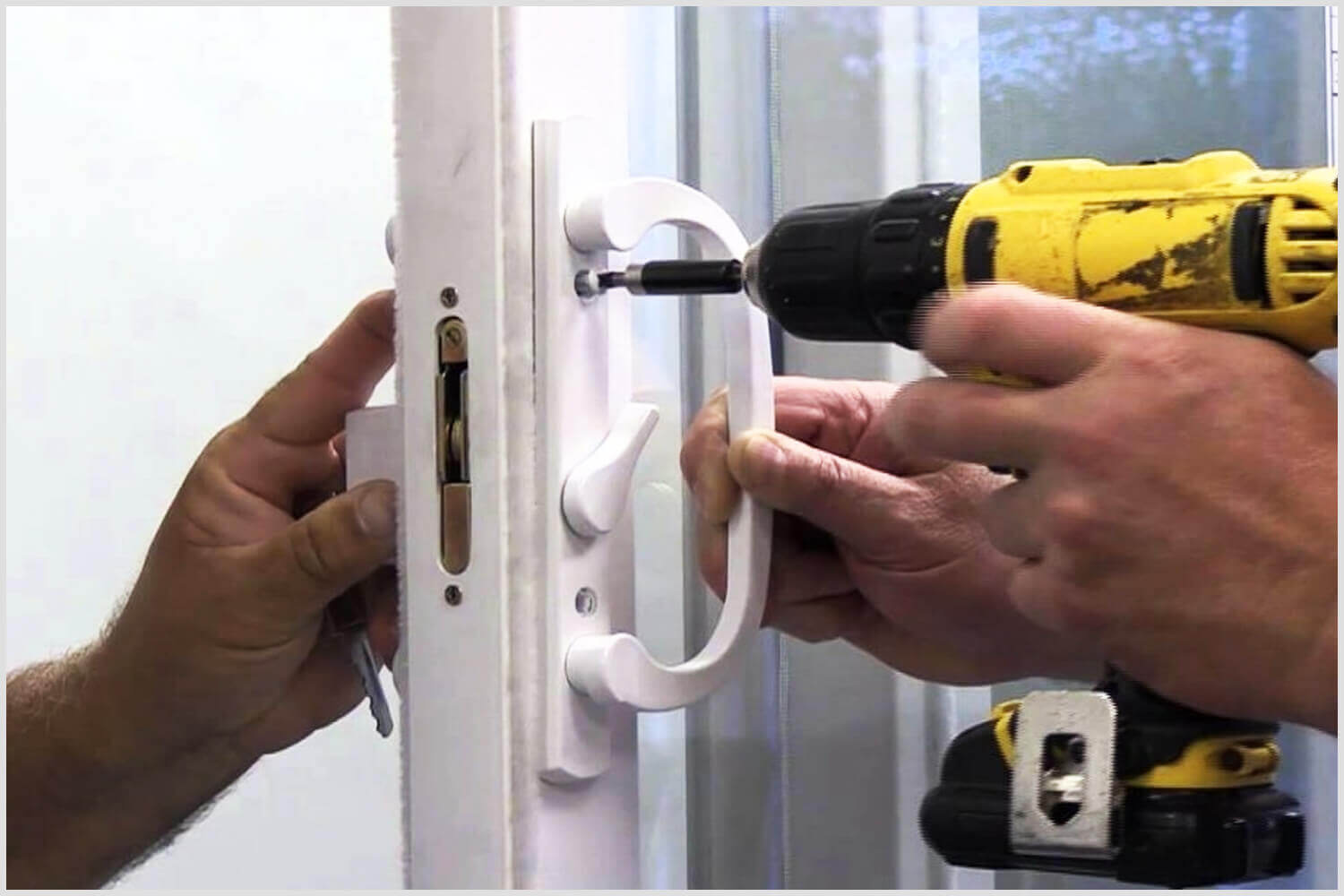
The Art and Science of Window Restoration: A Comprehensive Guide
Window restoration is a vital aspect of maintaining the integrity and visual appeals of historical and older buildings. As buildings age, their windows frequently show signs of wear and tear, which can not just detract from their visual appeal but likewise compromise the energy performance of the structure. This article looks into the procedure of window restoration, its benefits, methodologies, and key factors to consider.
Understanding Window Restoration
Window restoration describes the careful repair and reconditioning of windows, rather than their outright replacement. This practice is particularly popular in historical neighborhoods and among conservationists who believe in maintaining the character of older structures. Unlike renovations that may change window functions entirely, restoration aims to preserve the initial products and style.
Why Choose Window Restoration?
Bring back windows can offer a number of advantages, that include:
- Cost Savings: Restoring existing windows is typically considerably less expensive than changing them, particularly when considering the cost of new window systems and installation.
- Energy Efficiency: Well-restored windows can enhance insulation and minimize energy costs, often making them similar to modern replacements when combined with storm windows or weatherstripping.
- Conservation of Character: Original windows contribute to a building's historic and architectural significance, and restoring them helps maintain this character for future generations.
- Environmental Impact: By bring back instead of changing, fewer materials contribute to landfills, which aligns with sustainable practices.
The Window Restoration Process
Restoring windows typically includes several actions, which might vary based upon the condition of the windows and the specific methods used by the conservator. Here's an introduction of the procedure:
1. Evaluation
- Check the windows for damage.
- Identify problems such as rot, cracks, or broken hardware.
- Examine whether the windows are original to the building.
2. Dismantling
- Carefully eliminate the window sashes from the frames.
- Take precautions to avoid harmful any parts throughout elimination.
3. Fixing
- Change or repair harmed wood, utilizing epoxy consolidants for minor repairs or replacing areas for extensive damage.
- Address glass issues, including reglazing or replacing shattered panes.
4. Weatherproofing
- Set up weatherstripping to enhance insulation.
- Consider adding storm windows for extra protection.
5. Painting and Finishing
- Sand down surface areas to get rid of old paint.
- Repaint or stain the windows using proper finishes that match the initial design.
6. Reinstallation
- Thoroughly reinstall the brought back sashes into the frames.
- Guarantee all functional components, such as sheaves and weights, function efficiently.
Secret Considerations in Window Restoration
When planning a window restoration project, it's necessary to think about the list below factors:
- Historical Accuracy: Make sure restoration methods align with the original style and materials.
- Local Regulations: Be aware of any conservation laws or guidelines relevant to your structure.
- Spending plan Constraints: Establish a budget while accounting for prospective unforeseen repair work.
- Skill Level: Assess whether the work can be completed as a DIY project or if hiring a professional is essential.
Tools and Materials for Window Restoration
The following table outlines common tools and products needed for window restoration:
| Tool/Material | Purpose |
|---|---|
| Putty Knife | For removing old glazing substance |
| Paint Scraper | To remove old paint |
| Sandpaper | For smoothing surfaces |
| Chisels | For removing decomposed wood |
| Wood Glue | To bond wood parts |
| Epoxy Consolidant | For repairing rotted areas |
| Weatherstripping | To improve insulation |
| Guide & & Paint | For completing the brought back windows |
| Replacement Glass | For broken panes |
Environmental Impact
Window restoration has a noteworthy positive influence on the environment. Maintaining original products avoids unneeded waste and minimizes environmental deterioration connected with making brand-new windows. Moreover, bring back windows boosts energy performance, thereby adding to a reduction in energy usage.
Frequently Asked Questions (FAQs)
1. How do I know if my windows can be brought back?
A lot of windows can be brought back unless they are significantly damaged beyond repair. An extensive inspection by a professional can help figure out the expediency of restoration.
2. What is the cost of window restoration?
The cost varies significantly based upon the condition of the windows and the extent of repairs needed. A basic restoration can vary from ₤ 200 to ₤ 500 per window, while comprehensive repair might cost more.
3. Can I restore windows myself?
Homeowners with standard DIY abilities can undertake small repair work; however, extra proficiency may be needed for more complex problems. It's recommended to talk to or hire professionals for substantial restorations.
4. Are brought back windows energy efficient?
Yes, with the best repair work, weatherproofing, and extra measures like storm windows, restored windows can be very energy efficient.
5. How long does the window restoration procedure take?
The time needed for restoration varies depending upon the variety of windows and the extent of work needed, however it can normally take anywhere from a couple of days to several weeks.
Window restoration is an important practice that combines technical ability with an appreciation for architectural history. By selecting to bring back rather than replace Certified Window Doctor , homeowner can conserve cash, boost energy effectiveness, and contribute to the conservation of historic visual appeals. Whether approached as a DIY task or dealt with by professionals, window restoration is an investment in the future of a building, ensuring its character and performance sustain for generations to come.